Pool leak detection in Tallahassee, FL
Pool losing water? Start with a pool leak assessment in Tallahassee before choosing a repair.
Bucket test: leak or evaporation?
Fill a bucket with pool water and set it on the first or second pool step so it sits in the pool at the same temperature. Mark the water level inside the bucket and the pool level on the outside of the bucket. After 24 hours (no rain, no swimming, no auto-fill), measure both drops.
In a Tallahassee summer, a pool can lose around a quarter inch a day to evaporation alone, more on hot, windy days. The bucket test separates that from a leak.
A water-loss problem deserves a diagnosis
Frequent refilling, a dropping waterline or persistent wet areas near pool plumbing can justify a closer look. Evaporation, splash-out and equipment operation also affect water level. Describe what changes, when it happens and whether the pump is running; one symptom alone does not locate a leak.
Testing matched to your pool
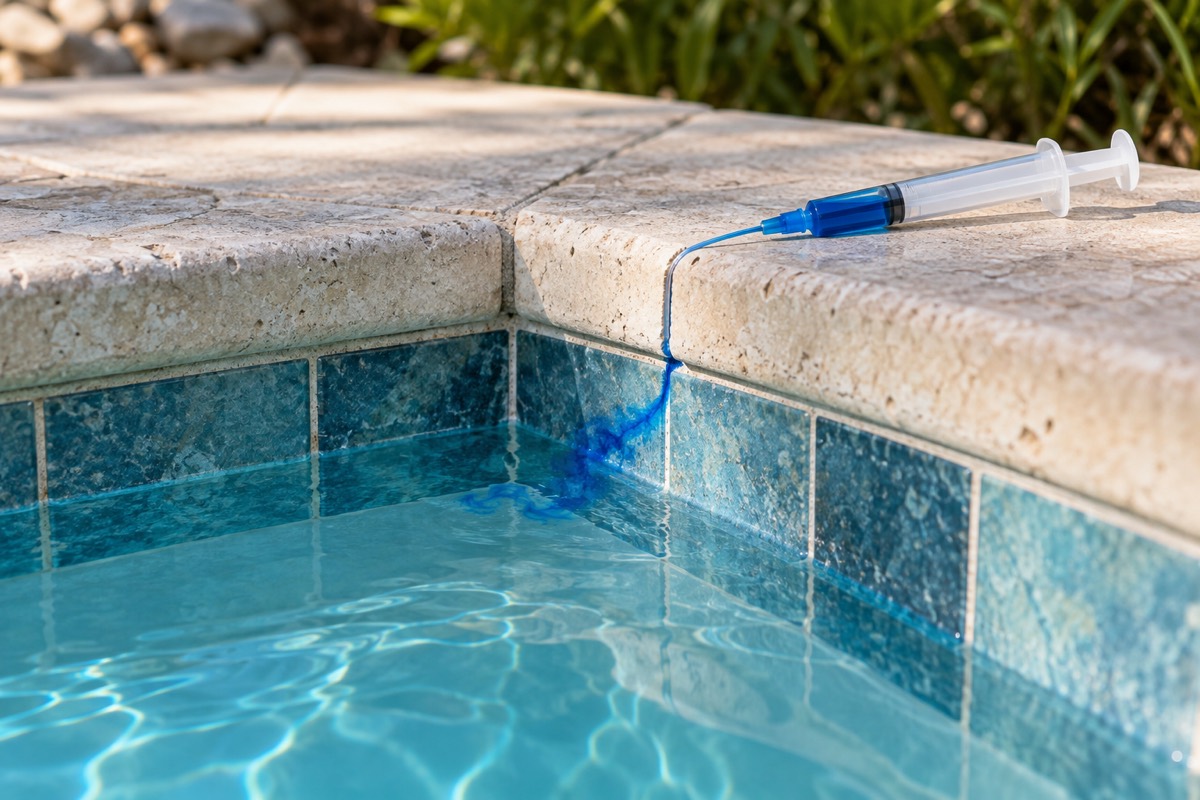
Ask us whether the assessment covers the pool shell, skimmers, fittings, equipment and underground lines. Depending on the suspected source, a specialist may use dye testing, pressure testing or listening equipment. Confirm what is included, what is excluded and whether a written findings report is supplied.
Detection and repair are separate decisions
A diagnostic visit may carry a fee even when repair is not completed that day. Before booking, ask whether the company performs repairs, whether the testing fee is credited toward work, and how concealed plumbing or deck access is handled. Request findings and a repair scope before authorizing excavation.
Questions about pool leak detection
Does a dropping water level always mean a leak?
No. Weather, splash-out and pool operation also affect water level. A comparison test can provide useful information, but a technician must assess the cause.
Can you find leaks under the pool deck?
Qualified specialists may test individual plumbing lines and use locating equipment. Access and the condition of the system affect what can be determined; confirm those capabilities when arranging a visit.
Describe water loss in a useful way
Share when the change began, any recent equipment work and whether an automatic fill system is operating. Rainfall, pool use and operating conditions can complicate a simple water-level observation. You do not need to identify the leak before calling. We use the information to plan the investigation rather than treating one symptom as proof of a plumbing or shell failure.
Agree which parts of the pool are being investigated
The shell, fittings, equipment connections and underground lines can require different tests. Ask which areas the diagnostic scope covers and whether additional testing would be separately authorized. A result for one line or component is not a guarantee about every part of the pool. Useful findings explain the evidence, the located problem and any remaining uncertainty.
Plan access without dismantling the pool
Keep the equipment area accessible and tell us about locked gates, pets and any unsafe areas. Share available installation or repair records. Do not drain the pool, open pressurized equipment or remove fittings to prepare for testing; ask us what operating conditions are needed for the booked assessment.
Move from findings to a repair decision
A leak-detection visit should lead to a clear explanation of the next step. Ask for the repair location, expected access and whether a separate estimate is needed. Our pool leak repair page explains excavation and restoration decisions, while the cost guide distinguishes diagnostic charges from repair work.
Before you approve the work
- Confirm the test areas and diagnostic fee.
- Ask what documentation or location information will be supplied.
- Approve additional testing and repair separately when not included.
Pool losing water in Tallahassee?
Organize the clues before scheduling pool leak detection.
Compare water loss with normal pool use
Rainfall, evaporation, splash-out, cleaning and automatic filling can obscure a water-loss pattern. Note the dates, water level and what the equipment was doing. Avoid assuming a single daily water-loss threshold diagnoses every pool.
A bucket test can help identify a pattern
A comparison between water loss in a bucket and the pool can help separate evaporation from a possible leak. Ask us for a suitable procedure for your pool, and account for rainfall, filling and pool use. A greater drop in the pool is a reason to investigate; the comparison does not locate the source.
Useful details for a leak specialist
- Does the pattern change with the pump running?
- Has the waterline settled at a particular height?
- Are there damp areas near equipment or plumbing?
- Was any equipment, deck or pool work recently completed?
- Do you have an earlier detection report?
Choose the next step
If the source is unknown, start with pool leak detection. If a test has already located it, share the report when asking about pool leak repair. Do not drain the pool or excavate plumbing just to investigate.
Pool leak detection versus repair: what each quote buys
A detection appointment seeks to identify a leak; a repair appointment addresses an identified defect. We can usually handle both, but the scope and charges should be clear before either visit is booked.
Define the starting point
Tell us whether the pool simply loses water or whether another professional has already identified a defect. Supply the actual report if available rather than relying on a verbal summary.
Questions for detection
Ask what parts of the pool or plumbing will be assessed, what conditions may limit testing and what written results are provided. Confirm whether follow-up tests or additional locations have separate charges.
Questions for repair
Request the proposed method, access requirements, materials, testing and restoration. Clarify whether unresolved uncertainty could require further investigation rather than promising every water-loss issue will end with one repair.
Before approval
Check whether detection charges are separate, credited or included; ask us how we handle it for your job.
Buying a home with a pool: equipment assessment questions
A pool assessment during a home purchase should have a defined scope. A general home inspection, equipment check and leak-detection service may examine different things and produce different reports.
Gather the history
Request equipment details, previous leak reports, repairs and available service records. Confirm whether control accounts and manuals transfer with the property. A recently serviced pool still needs a clear description of what was checked.
Specify what you need
Ask us which equipment and visible conditions will be assessed and whether leak testing is included or separate. Identify any limits due to access, operating conditions or unavailable records.
Use the results
Separate immediate repair findings from optional improvements. Obtain a written estimate where needed and avoid treating a brief inspection comment as a fixed construction price.
Before booking
Share the transaction timeline and arrange property access, but confirm the appointment directly; sending the form does not reserve a time until we confirm it.