Pool pump repair & replacement in Tallahassee, FL
Troubleshoot noisy pumps, loss of prime and pool pump failures in Tallahassee.
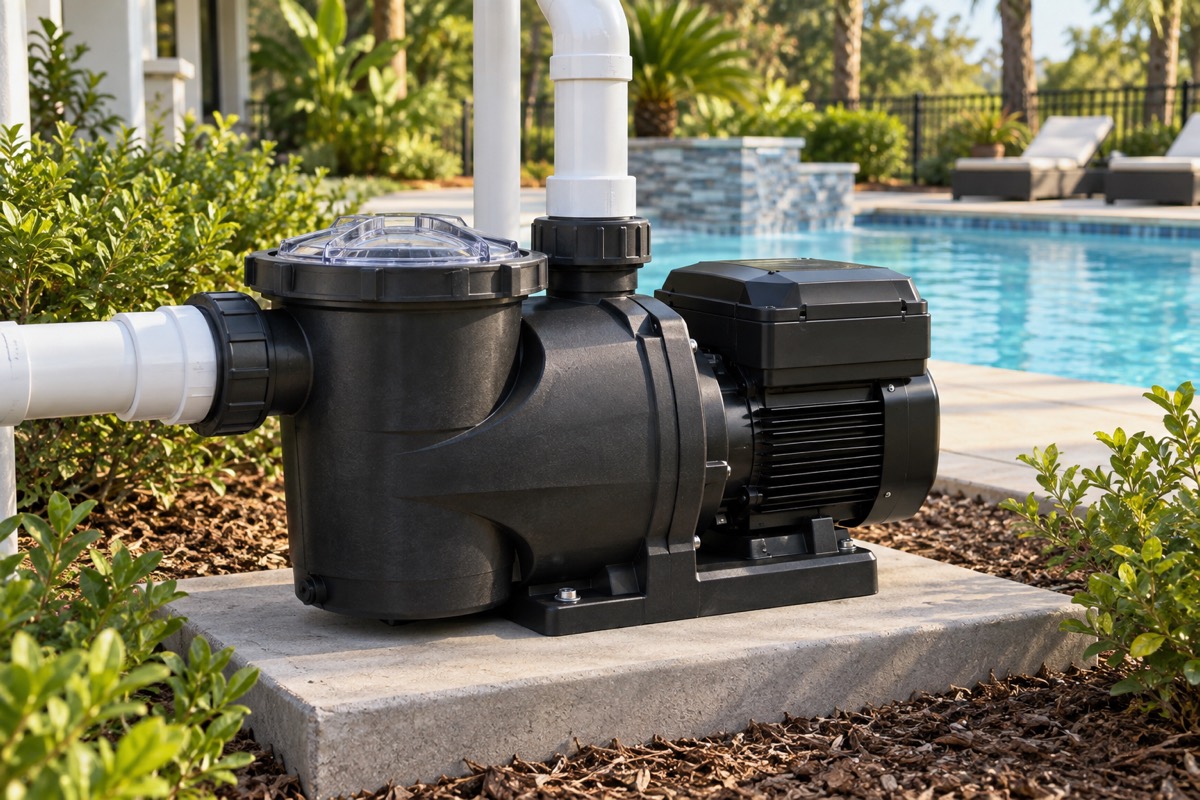
Describe the symptom before replacing the pump
A pump that hums, runs noisily, loses prime or fails to move water needs a diagnosis. The cause may involve the motor, seals, suction plumbing, controls or another part of the circulation system. Have the model number, approximate age and any displayed error code ready.
Repair versus replacement
Ask for the failed component and the reason a repair or replacement is recommended. Compare the scope, parts availability, warranty and condition of the rest of the system. When replacement is appropriate, the pump must be selected for the pool plumbing and filtration requirements rather than simply matching the old horsepower label.
Plan the installation and setup
Confirm who handles the electrical connection, controls, programming and startup checks. Ask for operating instructions and an explanation of the intended schedule. Stop using equipment with visible electrical damage and have it assessed by a qualified professional; do not repeatedly reset a tripping breaker.
Questions about pool pump repair & replacement
Should I repair the motor or replace the whole pump?
That depends on the fault, age, parts availability and overall condition. Ask for both options when practical, including the full installed price.
Can a new pump work with my existing controls?
Compatibility depends on the pump, automation and wiring. Provide model information so the installer can confirm the setup.
Separate a pump fault from a circulation problem
Low flow, unusual noise and unreliable startup can have different causes. We assess the equipment and reported behavior before recommending a replacement. Describe any recent filter or plumbing work and visible model information. Do not open electrical covers or pressurized equipment, or repeatedly restart equipment that appears unsafe, to gather details.
Compare the whole installed solution
A repair proposal should identify the failed component and the condition of the equipment being retained. A replacement proposal should address compatibility with the pool’s plumbing, controls and operating needs. Compare removal, connections, setup and testing as part of the installed price, rather than using the pump’s retail price as the total project cost.
Think beyond a larger motor
More equipment capacity is not automatically the right solution to poor circulation. The assessment should consider the existing system and the reason for the problem. If an upgrade is appropriate, ask how the proposed equipment and settings suit that system. Any related electrical changes or automation work should be specifically included or quoted separately.
Know what you receive at handover
Discuss operating settings, basic user instructions and applicable written warranty terms. Ask how the affected operation was checked and whether further filter, control or plumbing work remains. Review pool repair cost factors and use the service inquiry form to share your Tallahassee location, equipment type and symptoms.
Before you approve the work
- Name the repair or replacement equipment and compatibility assumptions.
- Separate electrical, automation and plumbing changes.
- Include setup, operational testing and operating instructions.
Air visible in the pool pump: assessment questions
Visible air and inconsistent circulation can involve more than the pump itself. A technician needs the operating history and equipment details to evaluate the system rather than assume a new motor will solve the issue.
Describe without opening
Note where air is visible, whether the symptom is constant and whether it started after servicing or a water-level change. Do not open lids or fittings while equipment operates or attempt to release pressure without qualified guidance.
Diagnostic questions
Ask whether the assessment includes the relevant suction-side arrangement, accessible connections and equipment condition. If a leak is suspected, clarify whether locating it is part of the visit or a separate service.
Repair scope
A proposal should name the identified fault and the work needed to address it. Confirm how circulation will be checked after repair and whether further investigation may be required.
Before booking
Mention loss of prime, overheating or other unusual behavior along with the visible air so we have the full context.
A noisy pool pump: describing the sound before repair
A new sound is useful information, but sound alone does not identify a failed component. A short recording from a safe distance can help explain the issue without dismantling equipment or asking the homeowner to diagnose it.
Record the pattern
Note whether the sound starts immediately, occurs at a particular setting or changes with normal operation. Share the equipment model and recent repairs. Do not remove guards, touch moving parts or run equipment merely to reproduce a concerning fault.
Ask about assessment
Have the technician distinguish equipment wear from circulation or installation issues before quoting a motor or complete pump. Confirm what the diagnostic visit covers and whether parts require a separate approval.
Repair choices
If several options exist, compare compatibility, remaining component condition, labor and written warranty. A quieter new unit is not a substitute for correcting an underlying plumbing or operating problem.
Before approval
Ask how the completed repair will be checked under the operating conditions that produced the complaint.
Pool pump not priming: information for a repair visit
A pump that does not establish normal circulation needs assessment before it is left running. Describe what changed and the equipment involved rather than requesting a replacement pump without a diagnosis.
Safe observations
Record the model from an accessible label, any displayed code and whether the issue followed cleaning, plumbing work or a water-level change. Do not repeatedly restart a pump that cannot circulate, open pressurized equipment or work inside electrical enclosures.
Assessment questions
Ask whether the technician will consider the suction path, equipment condition and settings as well as the motor. The same visible symptom can arise from different parts of the system.
Compare the scope
Clarify diagnosis, replacement parts, plumbing adjustments and an operating check. If the proposal changes the pump, ask why correcting another fault would not resolve the problem.
Before booking
Mention any overheating, electrical concern or active leak so we can discuss appropriate precautions and timing.
Pool pump motor repair or complete replacement?
A motor-related fault does not automatically settle whether a motor repair, motor replacement or complete pump is the best purchase. The decision should consider the confirmed failure and the condition and compatibility of the remaining equipment.
Information to gather
Provide the full pump model, any previous repair records and how the pool is normally operated. Avoid choosing a motor solely by horsepower or appearance; we should establish the correct application.
Compare complete costs
Ask which seals, controls, installation labor and testing are included. A complete pump proposal may require different plumbing or electrical work than a component replacement, so compare the full scope.
Questions about an upgrade
If a different type of pump is recommended, ask about system compatibility, programming and the basis for any operating-cost estimate. Do not treat savings claims as guaranteed for your pool.
Before approval
Get the diagnosis, equipment specification and warranty responsibilities in writing, including who handles any follow-up issue.
Low pool circulation: pump, filter or another restriction?
Weak return flow does not necessarily mean the pump is too small or the filter needs replacement. A useful assessment looks at the circulation arrangement and what changed before recommending new equipment.
Describe the change
Note whether the issue appeared suddenly or gradually, whether it follows recent maintenance and whether all returns are affected. Share normal settings and current display or gauge observations without opening equipment.
Request a system assessment
Ask how we will distinguish equipment faults, restrictions and configuration issues. Replacing one component without understanding the system can leave the complaint unresolved.
Define the quote
Separate inspection, cleaning where appropriate, parts and changes to plumbing or controls. Ask what operating check will demonstrate improvement and whether any limitations remain.
Before booking
Stop operating equipment that is clearly malfunctioning and follow the applicable manufacturer instructions. Do not adjust pressurized valves or open a filter to investigate flow problems yourself.